An Ironman is a 2.4-mile swim, a 112-mile bike and a 26.2-mile run: 140.6 miles in total. An Ironman 70.3 is exactly half: 1.2 miles, 56 miles and 13.1 miles, 70.3 in total. The number in the name is the total distance in miles.
| Leg | Ironman (140.6) | Ironman 70.3 |
|---|---|---|
| Swim | 2.4 mi (3.86 km) | 1.2 mi (1.9 km) |
| Bike | 112 mi (180.2 km) | 56 mi (90 km) |
| Run | 26.2 mi (42.2 km) | 13.1 mi (21.1 km) |
| Total | 140.6 mi (226 km) | 70.3 mi (113 km) |
That is the answer you came for. What follows is what you want to know before you register: how these compare with the other triathlon distances, how long you have to finish each leg, and how many weeks the preparation takes.
The four triathlon distances
"Ironman" is a brand, not a distance. The distance is called full distance or long course; the 70.3 is half distance or middle distance. Other organisers run the same distances under other names (Challenge, for example). The four common distances line up like this:
| Distance | Swim | Bike | Run |
|---|---|---|---|
| Sprint | 750 m | 20 km (12.4 mi) | 5 km (3.1 mi) |
| Olympic (standard) | 1.5 km (0.93 mi) | 40 km (24.9 mi) | 10 km (6.2 mi) |
| Half distance (70.3) | 1.9 km (1.2 mi) | 90 km (56 mi) | 21.1 km (13.1 mi) |
| Full distance (Ironman) | 3.8 km (2.4 mi) | 180 km (112 mi) | 42.2 km (26.2 mi) |
The hardest step up is not Olympic to 70.3; it is 70.3 to full. Every leg doubles, but race time nearly doubles too, and the body stops being able to get through the second half on fitness alone: nutrition and pacing stop being details and become the result.
Cut-off times
IRONMAN-branded events use standard cut-offs; individual races adjust them for the course, so your event's athlete guide is the final word. Bike and run cut-offs are counted from the start of the race, not from the start of each leg.
| Cut-off | Ironman | Ironman 70.3 |
|---|---|---|
| Swim (from your start) | 2 h 20 min | 1 h 10 min |
| Bike (total race time) | 10 h 30 min | 5 h 30 min |
| Finish (total time) | 17 h | 8 h 30 min |
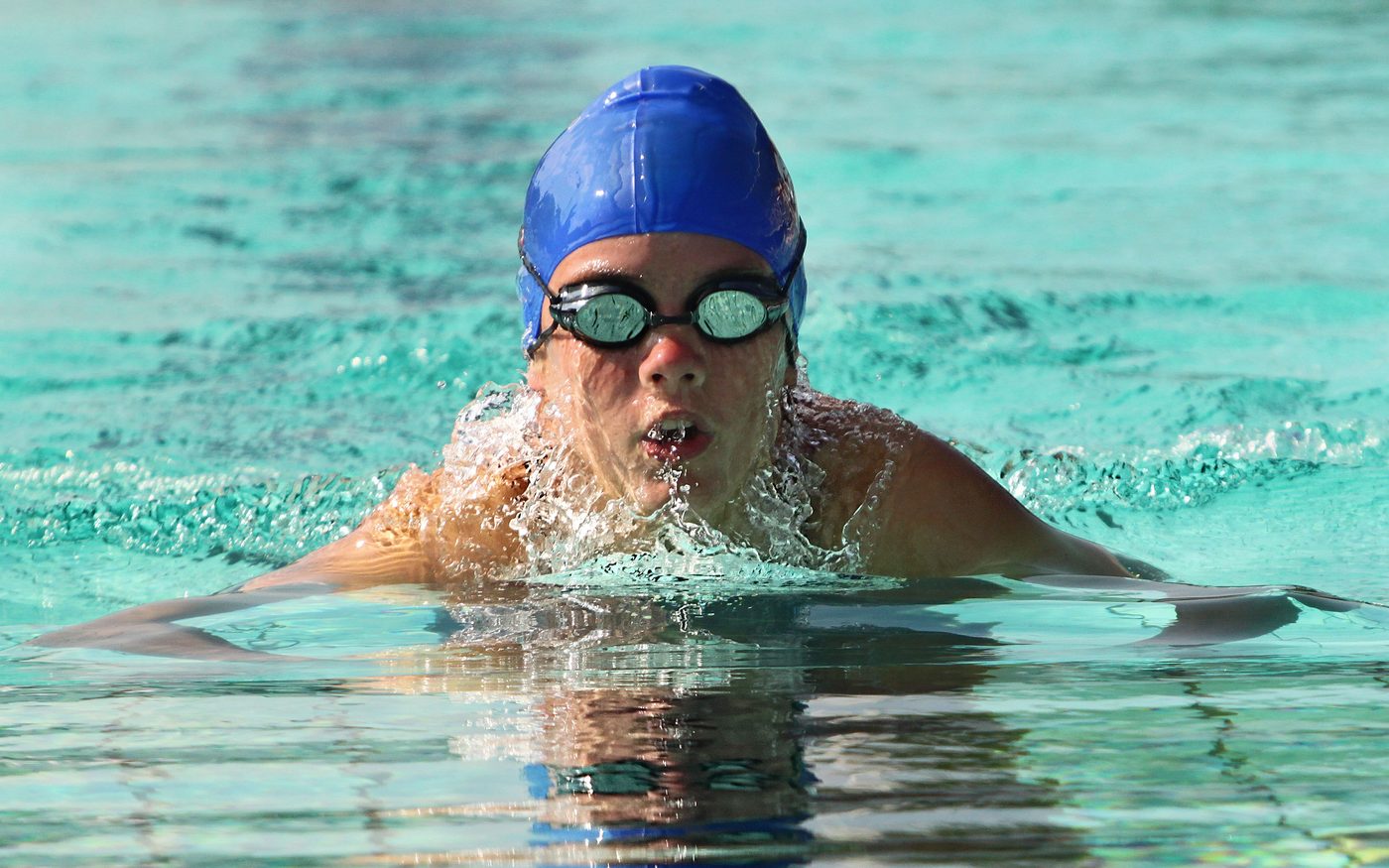
Two things that surprise people coming from running: the swim is in open water (sea, lake or river), never a pool, and wetsuits are allowed up to about 24.5 °C (76 °F) water temperature and mandatory below 16 °C (61 °F). In pool terms, 1.9 km is 38 lengths of a 50 m pool; 3.8 km is 76.
How long it takes
In a 70.3, most age-groupers finish between 5 and 7 hours; a well-prepared first 70.3 usually lands around 6. In an Ironman, most finish between 11 and 15 hours, with the median near 12 h 30 to 13 h. A typical 13-hour full splits as 1 h 20 swim, 6 h 30 bike, 4 h 45 run and about 15 minutes in transition: the bike is more than half the day, and it is where the run is won or lost.
How many weeks you need
For a 70.3, starting from a base where you already swim, ride and run without pain, a 13- to 20-week block is enough. For an Ironman, 22 to 24 weeks. Less than that is not impossible, but it turns the build into a race against the calendar and leaves out the part that decides the day: the long bike weeks and the sessions where you learn to eat on the move.
Plans for the distance: our Ironman and 70.3 training plans cover exactly those blocks: half distance in 13 to 20 weeks and full distance in 22 to 24, by level, with swim, bike, run and strength sessions laid out day by day in TrainingPeaks. Before you choose one, work out your zones with the training zones calculator: the whole plan is built on them.
Frequently asked questions
How many miles is an Ironman?
140.6 miles in total: a 2.4-mile swim, a 112-mile bike and a 26.2-mile run (a full marathon).
How far is the swim in an Ironman 70.3?
1.2 miles (1.9 km), in open water. The standard cut-off to exit the water is 1 hour 10 minutes.
Why is it called 70.3 and 140.6?
It is the sum of the three legs in miles. 1.2 + 56 + 13.1 = 70.3 miles; 2.4 + 112 + 26.2 = 140.6 miles.
What is a half Ironman?
Another name for the Ironman 70.3: exactly half of each full-distance leg, 70.3 miles in total.
How long do you have to finish an Ironman?
17 hours at most events, with intermediate cut-offs at 2 h 20 for the swim and 10 h 30 for the bike. Some races shorten it to 16 or 15 hours; check the athlete guide.